COVID-19 & Youth Mental Health Resilience
A cohort study isolating the factors that protected youth mental health during the pandemic.
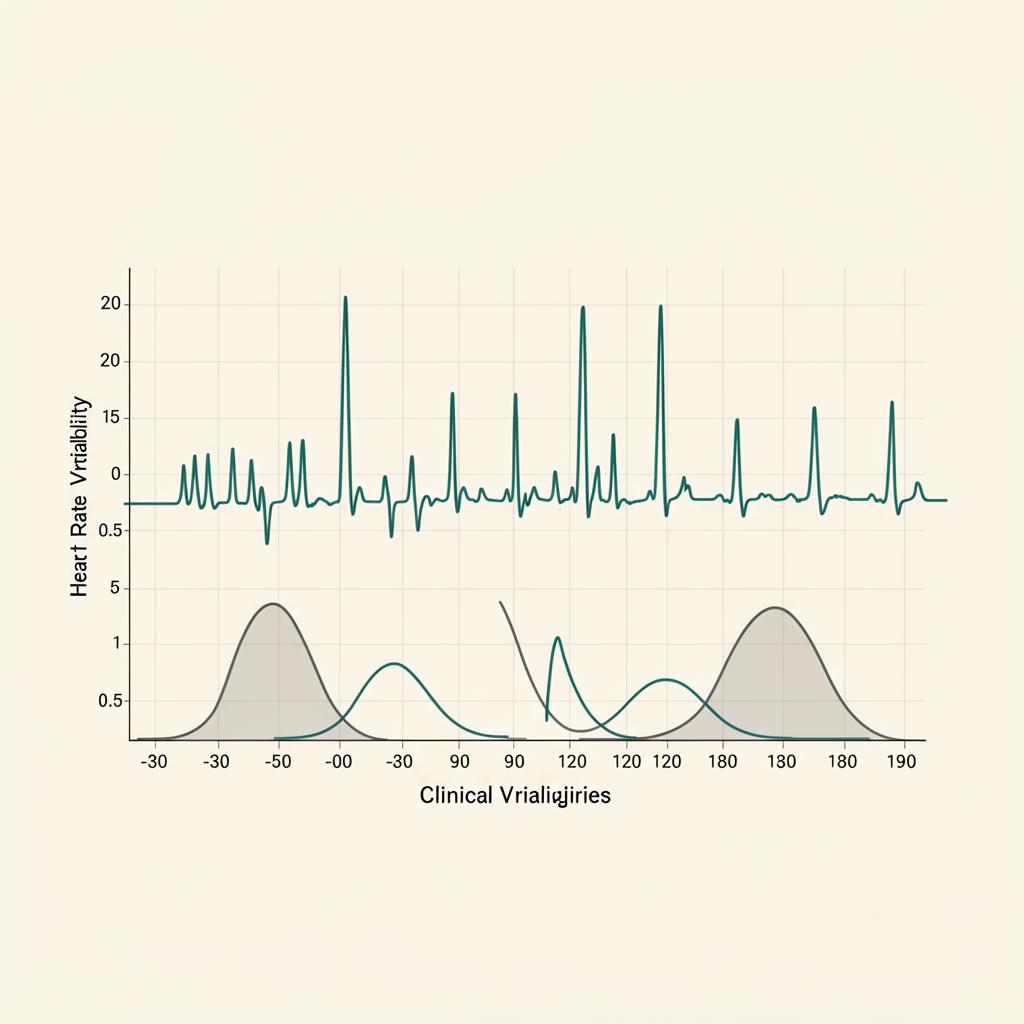
Overview
The pandemic hit youth mental health hard — but not evenly. Some young people stayed resilient, and public-health teams needed to know why so they could direct support effectively.
I ran a cohort analysis with regression modeling to separate the factors that genuinely protected mental health from those that just correlated with it, controlling for confounders to isolate the strongest signals.
The analysis turned a noisy, emotionally charged question into a ranked list of protective and risk factors — actionable evidence for where limited support resources would do the most good.
At a glance
Public-health teams needed to know which factors protected youth mental health during the pandemic.
A cohort analysis with regression modeling to isolate the strongest protective and risk factors.
Identified key resilience predictors to target support where it matters most.
Highlights
- Cohort study design across pandemic-era youth data
- Regression modeling to isolate protective vs. risk factors
- Confounder control for defensible conclusions
- Ranked predictors to guide where support is targeted